
AI Is Not a Coworker. It Is an Exoskeleton: The Metaphor That Finally Made Sense to Me
For the last two years, every product launch deck in the AI space has used the same metaphor: AI is a coworker. The phrasing shows up in Notion’s “AI as your teammate” marketing, in Slack’s positioning, and in a hundred blog posts. I have read all of them, and none of them have helped me figure out how to actually use the tool. The metaphor breaks the moment I try to apply it to a real workflow.
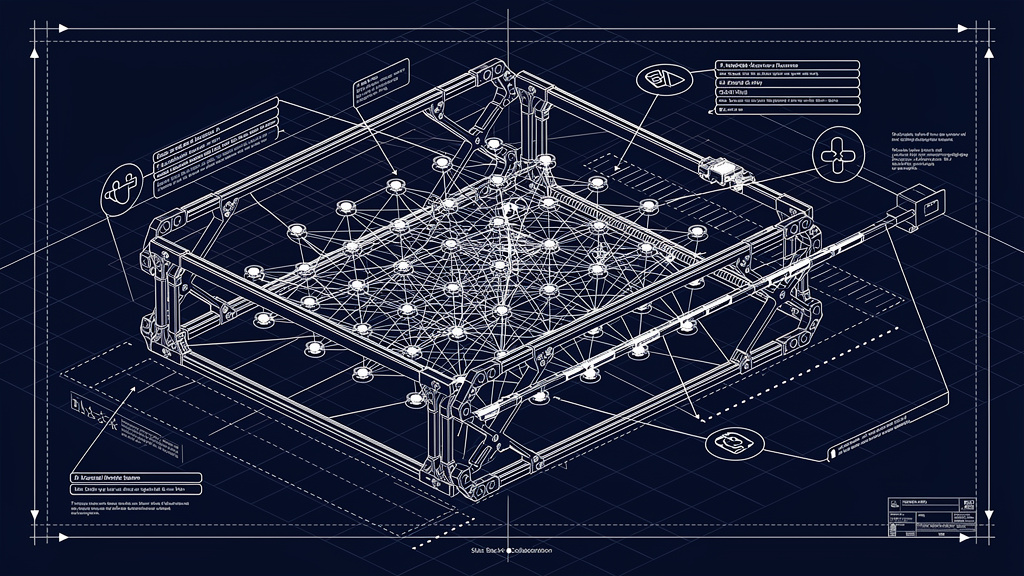
The metaphor that finally made sense to me is older, and it comes from a different industry. An exoskeleton is a wearable device that amplifies the strength and endurance of a human body. It does not do the work. It does not have opinions. It does not take meetings. It makes the worker more capable, in the same direction the worker was already going. AI is closer to that than to a coworker, and once I made the switch, my entire mental model of how to deploy the tool changed.
Why the coworker metaphor keeps breaking
The coworker metaphor fails for three reasons. Accountability comes first. A coworker can be wrong, and the team catches it and moves on. A coworker can miss a deadline, and the team absorbs the slip. AI does not work that way. AI is always confident. It does not hedge. It does not say “I am not sure, let me ask someone.” When it is wrong, it is wrong in the same authoritative tone as when it is right. Putting AI in a coworker role means offloading accountability to something that cannot actually be held accountable.
Context is the second failure point. A coworker who has been on the team for a year has absorbed thousands of small facts: who is reliable, who is not, what the customer really meant in that email last month, why the deadline shifted in March. AI has none of that. It has the prompt you typed and the documents you pasted in. It does not have the hallway conversations, the Slack threads you skimmed, the meeting you missed. Putting AI in a coworker role implies a context that does not exist.
Judgment is the third gap. A coworker can push back. “I do not think we should ship this today.” “That decision feels off, can we revisit it?” AI can do something that looks like pushback, but it is pattern-matching on politeness patterns, not actual judgment. It will agree with whatever framing you give it. Putting AI in a coworker role implies a counterweight that does not exist.
What an exoskeleton actually does
An exoskeleton, in the literal sense, is a wearable frame that supports the body during heavy lifting. Warehouse workers wear them to lift boxes all day without back injuries. Construction crews wear them to hold power tools steady for hours. Construction sites use them for overhead drilling. Assembly lines use them for repetitive arm motions. The key design property across all of these uses is that the exoskeleton does not replace the worker:
- It does not lift the box on its own
- It does not swing the hammer
- It does not decide where to place the load
- It transfers weight to a mechanical frame, and the worker does the rest
The AI parallels are tight. The worker still has to be at the box. The worker still has to position their hands, check the weight, decide where to place the box. The exoskeleton just makes the heavy lift feel lighter. AI is similar. You still have to write the email. You still have to make the decision. You still have to check the work. The model just makes the typing faster, the search faster, the draft less empty.
Invisibility is the other property that matters. A worker wearing an exoskeleton still looks like a worker. They still walk, talk, and make decisions. The mechanical frame is a tool, not a teammate. The frame cannot answer a question. It cannot negotiate with a customer. It cannot think. AI is similar in spirit: a tool that amplifies a specific kind of effort (text, code, image) and is invisible to the people on the other side of the work.
How the metaphor changes the workflow
Once I made the switch, my workflow with AI changed in three concrete ways. Prompting comes first. When AI is a coworker, I write prompts like a manager: “write me a landing page for X, with a hero, three features, and a CTA.” When AI is an exoskeleton, I write prompts like a worker: “I am writing a landing page for X, here is the rough outline I have, here are the three features, help me draft the hero section.” The difference is the level of context I provide. The coworker metaphor encourages me to offload. The exoskeleton metaphor encourages me to lead.
Reviewing is the second shift. When AI is a coworker, I tend to read its output as if I am reviewing a teammate’s draft. I look for big things: did it understand the assignment, did it hit the points, does the tone match. When AI is an exoskeleton, I read its output as if I am reviewing my own work after a good night’s sleep. I look for small things: did the tool suggest the right word, did it pull the right fact, did it format the citation correctly. The coworker metaphor encourages me to trust. The exoskeleton metaphor encourages me to verify.
Accountability rounds out the trio. When AI is a coworker, I am tempted to think of the work as “the AI’s draft” and myself as the editor. When the work is wrong, the AI is at fault. When AI is an exoskeleton, the work is mine. The tool amplified my effort. If the result is bad, I am the one who used the tool wrong. The exoskeleton metaphor keeps the accountability where it belongs, with the human who chose to use the tool.
Trade-offs and where the metaphor fails
The exoskeleton metaphor is not perfect. Scope is the first limit. The metaphor implies the tool is just a force multiplier, when in fact modern AI can do some things humans cannot do quickly: summarize a 200-page document, generate a working prototype from a description, write a regex (a pattern-matching string used to search text) from a vague description of what to match. An exoskeleton cannot do things its wearer cannot do. AI can.
Creative work is the second failure point. For knowledge workers, the exoskeleton metaphor fits. For creative workers, where the work is about taste and not effort, the metaphor breaks down. An exoskeleton cannot help you decide whether a song is good. AI cannot either, but it can do things an exoskeleton cannot: suggest chord progressions, draft lyrics, generate melody variations. The right metaphor for creative work is closer to “an instrument” than an exoskeleton.
Long-horizon work is the final gap. An exoskeleton is good for a single shift, lifting boxes. AI is good for one-off tasks. Neither is a good model for a multi-month project that requires sustained attention, deep context, and judgment under uncertainty. For that kind of work, the right tool is still a team of humans, with AI in supporting roles.
Why the metaphor matters
Metaphors shape how we use tools. When a new technology arrives, the first metaphor that catches on often determines a decade of practice. The coworker metaphor is dangerous because it encourages the wrong behaviors: offloading context, trusting the output, shifting accountability. The exoskeleton metaphor encourages the right ones: leading the work, verifying the output, owning the result.
The right mental model is not “AI is my teammate.” It is “AI is my exoskeleton.” I am still the worker. The tool is still the tool. The work is still mine. Once you make that switch, the rest of the workflow falls into place.