
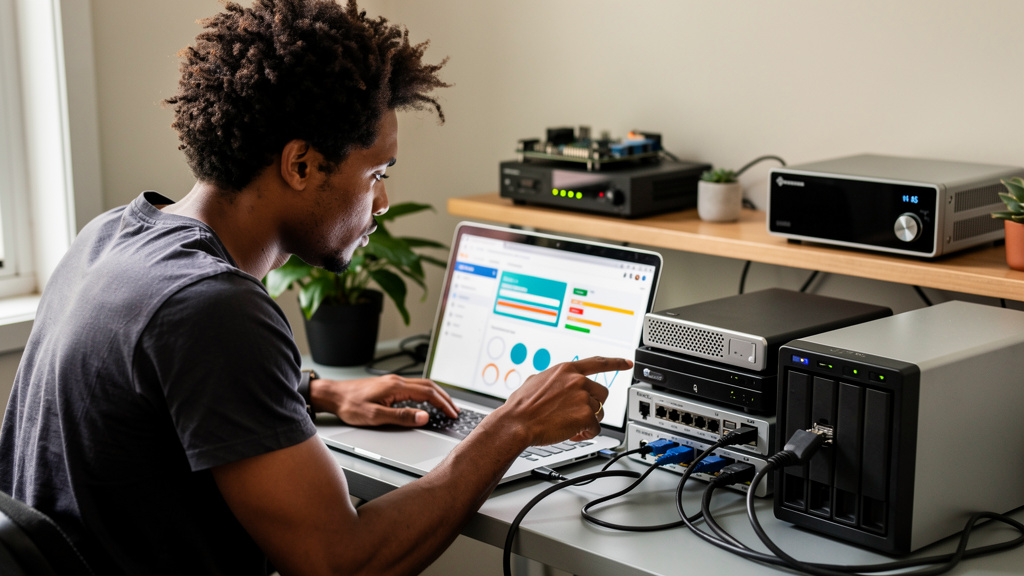
I priced out a 32 GB ECC RAM upgrade for a home server last month. The same configuration was a quarter of that price two years ago. That is not a vendor mistake. RAM has gotten more expensive across the board, and the reason is that the same factories that make workstation memory are also feeding data center buyers who will pay almost any price for AI training capacity. The homebrew hardware side of Linux is starting to feel the squeeze, and the trend is not reversing any time soon.
I keep a spreadsheet of components I have bought over the last five years for Linux builds and homelab projects. The DDR4 line on that spreadsheet now reads like a horror story. The DDR5 line is not much better. SSDs have crept up too, and even budget motherboards are shipping with less memory than they did a year ago. None of this is being driven by supply shortages in the way the 2018 spike was. The drivers are buyers with effectively unlimited budgets bidding against hobbyists, and that bidding war is the new normal.
The hobbyist hardware market is being squeezed out
PINE64 is halting production of its current Linux tablet line. The company has been upfront about the reason: it cannot sell the device at a price hobbyists will stomach because the RAM component has gotten too expensive. The tablets occupied a small niche. They appealed to people who wanted an ARM device that ran mainline Linux without fighting them, and they did not sell in enough volume to absorb a memory-cost spike. That whole category of small-ARM Linux tablet is getting priced out of existence by an upstream supply chain that has very different priorities than the buyers it used to serve.
Anyone building home servers, running homelabs, or upgrading laptops has probably already noticed. Memory is up across the board. SSDs have crept upward. Even budget motherboards ship with less RAM than they did a year ago, because the manufacturers have decided that the cost is no longer absorbable on the cheap SKUs. Linux hobbyism has always depended on cheap, plentiful hardware, and that side of the market is the first to absorb a supply shock.
There is no clever workaround. Skip the purchase. Hunt the secondary market. Pay the new normal. Anyone who expects prices to snap back is ignoring what is actually happening in the supply chain.
What is actually driving the squeeze
It is the same story every analyst has been writing about for a year. AI training runs need memory, and the memory market is now structured around whoever will pay the most per gigabyte. Data center buyers are stockpiling memory for AI workloads. That demand is bleeding into the consumer supply chain because the same DRAM factories serve both markets, and the data center side will always win the price competition.
The factories that make DDR4 and DDR5 are running near full capacity. They cannot just “add more production” because new fabs take years to build. So when demand spikes on the data center side, the consumer side gets less allocation at higher prices. This is not a temporary blip. The AI buildout is a multi-year capital cycle, and the memory pressure will continue for at least as long as the buildout does.
Hobbyists used to live at the margin of the consumer memory market. We got whatever the OEMs did not buy for their laptops and desktops. When OEM demand drops and data center demand rises, we are the ones who feel it first. There is no policy lever that fixes this. There is no government subsidy that brings RAM prices back. The market is doing exactly what markets do when one segment of buyers has unlimited budgets.
What you can actually do about it
Four options, all of them honest, and one of them is worth avoiding:
- Wait it out. Most people default to this, and it is the wrong call for anyone running a homelab or upgrading a laptop right now. Memory is not coming back down on any reasonable timeline. The AI buildout is not a six-month spike.
- Buy used. The decommissioned-server market is where the bargains are. Old DDR4 ECC pulls from data centers trade for a fraction of the new price, and they often have higher per-stick capacity than retail sticks. The catch is that you need an ECC-capable motherboard, which most consumer boards are not.
- Pay the new normal. Most people land here, because patience is finite and the used market takes work to navigate. The 2026 baseline is meaningfully higher than the 2023 baseline, and the spread depends on chip and density.
- Run lean on memory. Trim the build to what you actually need, accept a smaller machine than you would have specced in 2023, and put the savings toward a faster SSD or a better GPU. For a learning box or a homelab, this is often the right call.
Anyone with a build planned should do it now rather than next quarter. Prices are not dropping on any reasonable horizon, and waiting only inflates the final bill.
What got destroyed this week, and why it matters
A reporter at 404 Media put a hidden GPS tracker in a shipment of rare books and watched it end up at a facility that physically cuts books apart for scanning. Flatbed machines handle loose pages more easily than bound spines, so the books get unbound, scanned, and discarded. Some of the books in that shipment were the kind libraries normally protect. They are now shredded pages inside an AI training corpus.
Anyone who cares about how AI training data is sourced should treat this as a turning point in the conversation. It is no longer abstract. A specific shipment, tracked by a specific reporter, ended at a specific facility. The companies involved have not been transparent about their sourcing, and when reporters followed the paper trail, this is what surfaced.
The honest takeaway is uncomfortable. Some of the progress in AI that gets written about is built on physical destruction of artifacts that libraries used to protect. That deserves more than a shrug.
Trade-offs
None of the workarounds above are free. Waiting means delaying whatever build you had planned, which has its own costs. Buying used means accepting hardware that may have been in service for years and may fail sooner than new parts. Paying the new normal means accepting that the hobbyist hardware bargain era is over, at least for the duration of the AI buildout.
The book destruction raises a different trade-off. Some AI training data was always going to come from sources with complicated provenance. That does not make it acceptable, and it does not mean there is nothing to do about it. Reporters who follow the trail and subscribers who fund their work are the mechanism by which this gets exposed. Anyone who wants to push back should pull the lever of supporting independent journalism.
What to do this week
If you have a hardware purchase planned, check current RAM and SSD prices before assuming they have come back to 2023 levels. They have not, and they are not going to on any reasonable timeline. If you want to push back on how AI labs source training data, subscribe to independent outlets like 404 Media. Independent reporting is what surfaces stories like the book destruction in the first place, and it does not survive without readers.
Pick one step and execute it. Everything else can wait.
I would tell past me to stop assuming memory prices are stable. The 2018 spike taught me that RAM is a commodity, and commodities are volatile. The current squeeze is not a spike. It is the new normal for as long as AI training capacity is being built out. The hobbyist hardware bargain era is over, and the people who noticed first are the ones who already had their builds planned. If you have been waiting to upgrade, do not wait much longer.